What happens to the body during detraining?
Research shows that after just one month without exercise, the endurance of the deep muscles can drop by as much as 10–15%. It is precisely these muscles – responsible for stabilising the spine, maintaining good posture and protecting against injury – that form the foundation of Pilates training. A break from regular exercise can therefore weaken your physical condition and, in turn, make everyday life less comfortable.
James Clear, author of the bestselling book "Atomic Habits", points out that our habits are the result of small, regular steps. As soon as we stop doing something, even for a short time, our brain begins to lose its “muscle memory”, and returning to the habit becomes increasingly difficult. What is more, putting off a workout can easily become a trap: “It started with one day off and ended with three weeks without moving” – sound familiar?
The key to maintaining a habit is building the identity of a physically active person: “I am not someone who sometimes goes to classes; I am someone who takes care of my body regularly.”
The Farnam Street blog, meanwhile, highlights the so-called momentum effect (or simply momentum), which works in our favour when we act consistently and against us when we neglect a habit. The longer we put something off, the greater our resistance to starting again. A good strategy, then, is to lower the barrier to entry: even a short, five-minute Pilates session can break through that barrier and make it easier to return to full workouts.
The blog also stresses the role of cognitive load (the mental effort a task requires) in forming habits. The more complicated getting back to exercise seems, the more excuses our mind will look for. That is why it pays to keep planning and preparing for your workouts as simple as possible.

Rather than treating a break as a chance to ease off for a while, see it as an opportunity to maintain and build your fitness in a more flexible way. Here are a few ways to keep your training habit going, even as circumstances change:
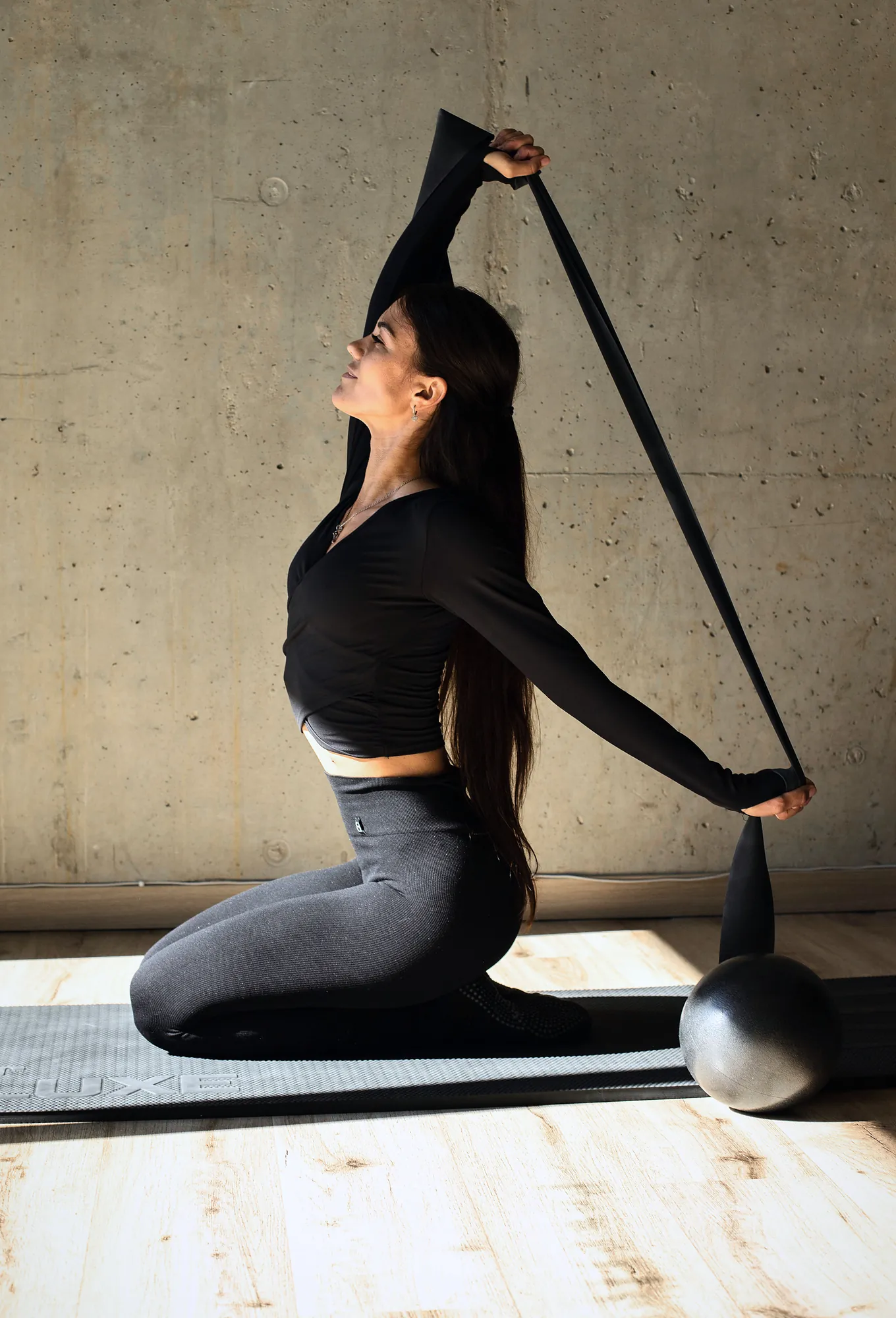
Pilates is more than exercise – it is an investment in your health, strength and wellbeing. Regular classes help you not only stay in shape but also prevent injuries during other physical activities. Whatever forms of movement you prefer, Pilates strengthens the deep muscles, improves joint mobility and builds stability, minimising the risk of injury.
By keeping your classes regular, you can not only maintain your current fitness but also improve it significantly. Imagine returning to your favourite activities after a few weeks of regular training in even better shape – no breathlessness, no injuries, just a feeling of strength and lightness in your body.

Detraining may be tempting, but it does not have to become your reality. Instead of putting off your workouts, use every moment as an opportunity to progress. Remember that every small step counts – even a short Pilates session can keep your habit moving. Building habits is a process, not a one-off action.

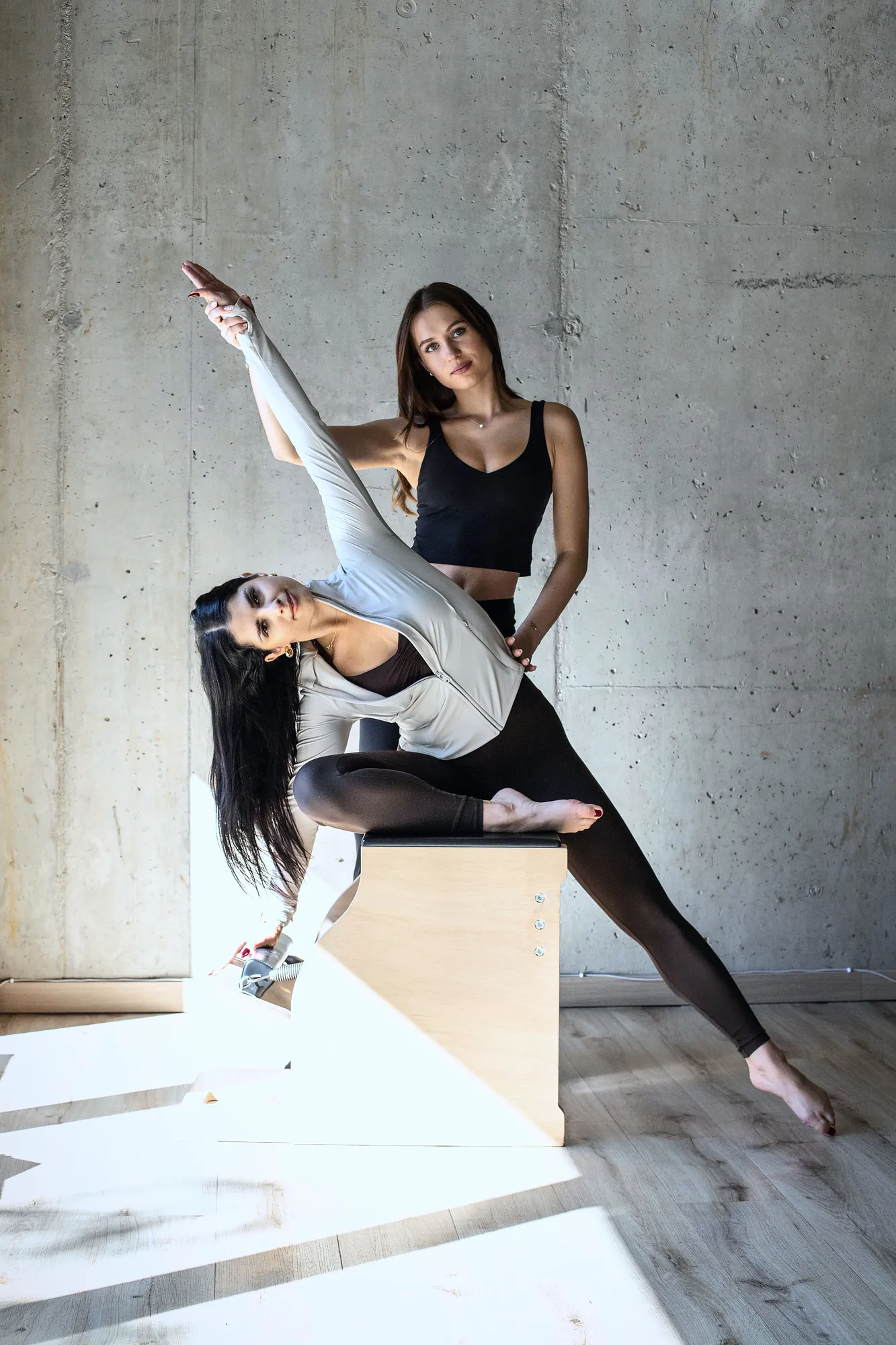
We warmly invite you to Pilango Pilates Studio in Wrocław, where you can experience all of these benefits for yourself. Our studio is equipped with a full set of legendary Contrology by Balanced Body apparatus, which allows exercises to be performed precisely and safely, ensuring optimal results. We do everything we can to make every session not only effective but also truly rewarding. Here, precision of movement meets the joy of taking care of yourself. We look forward to welcoming you and discovering the power of mindful movement and breath together!
Book your class at Pilango today