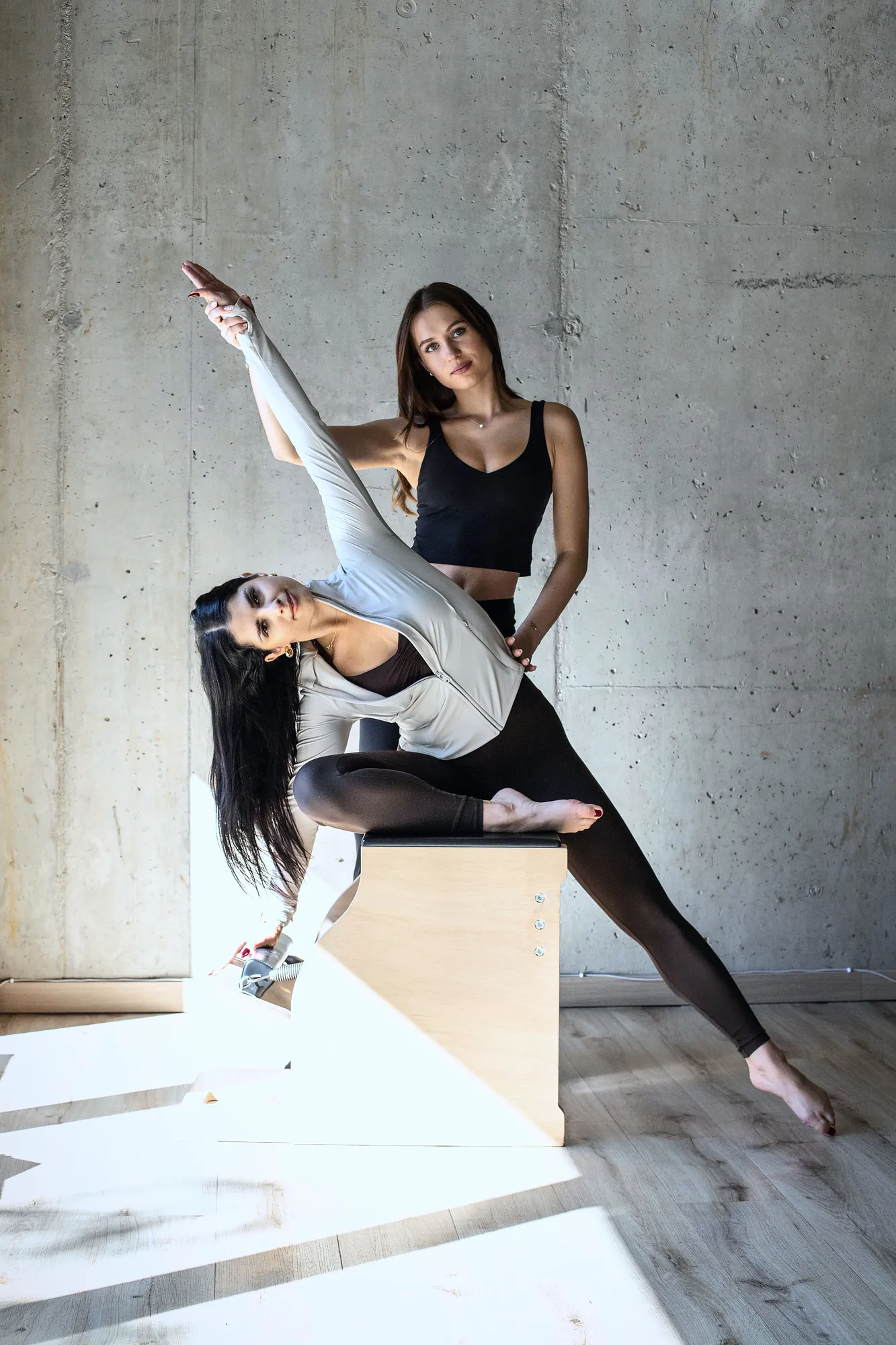
Beyond the Reformer: Discover the Other Apparatus Designed by Joe Pilates

When we think of pilates, the first thing that comes to mind for many people is the Reformer, or the “moving bed” as some prefer to call it: an iconic piece of equipment whose distinctive look and functionality have made it the symbol of the method.

Yet the Reformer is just one part of the far richer system created by Joseph Pilates. His visionary approach to movement and human anatomy gave rise to a range of apparatus which, combined with Mat exercises, form a comprehensive method of working with the body. In this article, we take a look at other, lesser-known pieces of pilates equipment and at how the classical pilates system, built on integrating this apparatus, works.

Joseph Pilates’ Vision: Apparatus as an Extension of the Body

Joseph Pilates believed that well-designed apparatus could support the body in its natural movement patterns while also helping to correct imbalances, strengthen the deep muscles and improve posture. Each piece of equipment he created had a precisely defined purpose: strengthening different muscle groups, developing flexibility and mobility, or improving coordination. What is more, his apparatus was designed to support people at every level, from beginners to professional athletes.

Beyond the Reformer: What Apparatus Did Joseph Pilates Create?

Although the Reformer is the best-known piece of equipment in pilates studios, the original classical system includes many other pieces of apparatus. Below we present the most important of them, what they do and some example exercises.

1. Cadillac (Trapeze Table)

The Cadillac is one of the most versatile pieces of pilates apparatus. It looks like a tall frame fitted with springs, straps, handles and bars, allowing for everything from gentle rehabilitation exercises to dynamic, demanding movements.

What does the Cadillac offer?

  • Rehabilitation: Used for exercises for people with limited mobility, such as older adults or those recovering from injury.
  • Muscle strengthening: Working with different spring resistances engages the deep muscles, strengthening the body evenly.
  • Improved flexibility: Exercises such as Leg Springs and Hanging Back allow you to deepen your range of motion in a controlled way.

Example exercises:

  • Push Through: Strengthens the arms, abdominals and spine.
  • Hanging Series: Sequences performed hanging from the bar develop full-body strength and spinal flexibility.

2. Wunda Chair

This is a small, compact piece of apparatus that allows you to exercise seated, standing or lying down. It is fitted with a pedal that provides resistance through springs.

Why train on the Wunda Chair?

  • Strength and stability: Chair exercises demand a great deal of control, which strengthens the stabilising muscles.
  • Versatility: It can be used to work on balance and on leg, arm and core strength.
  • A dynamic challenge: Its high level of difficulty makes the Wunda Chair an ideal tool for advanced practitioners.

Example exercises:

  • Step Ups: Strengthens the legs and glutes while improving balance.
  • Mountain Climber: Works the abdominals, arms and legs intensively.

3. Spine Corrector (Barrel)

The Barrel is a curved piece of apparatus that supports work on flexibility and postural correction. Its shape allows the chest to open gently, strengthens the back muscles and improves spinal mobility.

Benefits of the Spine Corrector:

  • Releasing the back: Ideal for people with tension in the thoracic and lumbar spine.
  • Improved posture: Develops body awareness and strengthens the muscles that support the spine.
  • Flexibility and strength: The exercises demand control and precision, which strengthens the deep muscles.

Example exercises:

  • Side Bends: Strengthens the obliques and increases the range of motion in the torso.
  • Roll Over Back: Helps stretch and strengthen the spine.

4. Ladder Barrel

This is a larger, more elaborate version of the Spine Corrector, made up of a curved barrel with a ladder attached to it.

Why train on the Ladder Barrel?

  • Support for the spine: Helps improve mobility and stretch the back muscles.
  • Strength exercises: Allows for more dynamic movements, such as leg swings and rotations.
  • Versatility: Excellent for people at every level.

Example exercises:

  • Side Stretch: Opens and stretches the sides of the body.
  • Climbing the Barrel: A strength exercise that demands control and stability.

5. Ped-o-Pul

A simple but effective piece of apparatus consisting of an upright pole and springs. The Ped-o-Pul is ideal for working on posture and arm strength.

Benefits of the Ped-o-Pul:

  • Functional training: Supports good posture and balance.
  • Arm strengthening: Thanks to the different spring resistances, the exercises help build arm strength and stability.

Example exercises:

  • Arm Presses: Strengthens the arms and chest muscles.
  • Posture Corrector: Improves torso stability and posture.

The Classical Pilates System: How Does Integrating the Apparatus Work?

Classical pilates is not just a collection of different apparatus and exercises. It is a comprehensive system in which every element complements the others. Classes taught in the classical system often combine Mat exercises with work on various pieces of apparatus, so the body is trained in a well-rounded way.

  1. Matwork as the foundation: Mat exercises develop body awareness and prepare you for more advanced movements on the apparatus.
  2. The Reformer at the centre: The Reformer builds strength and flexibility, offering a wide range of exercises that can be adapted to your level.
  3. Specialist apparatus: The Cadillac, Barrel and Wunda Chair complement training by focusing on specific muscle groups or postural issues.
  4. Personalisation: Thanks to the variety of apparatus, classical training can be tailored to individual needs, from rehabilitation to advanced strength training.

Why Discover the Full Richness of Pilates at Pilango Pilates Studio?

Limiting pilates to the Reformer alone means missing out on the enormous potential of the method. Each piece of apparatus created by Joseph Pilates offers unique benefits that support the body at different levels and in different ways, from strength and flexibility to postural correction.

Getting to know the whole pilates system not only helps you achieve better results but also helps you understand how your body works and how it can be strengthened, brought into balance and protected from injury. Thanks to the variety of apparatus, every session becomes a unique experience, full of precision, control and innovation.
Book a class at Pilango today

Mogą Cię zainteresować

zobacz wszystkie