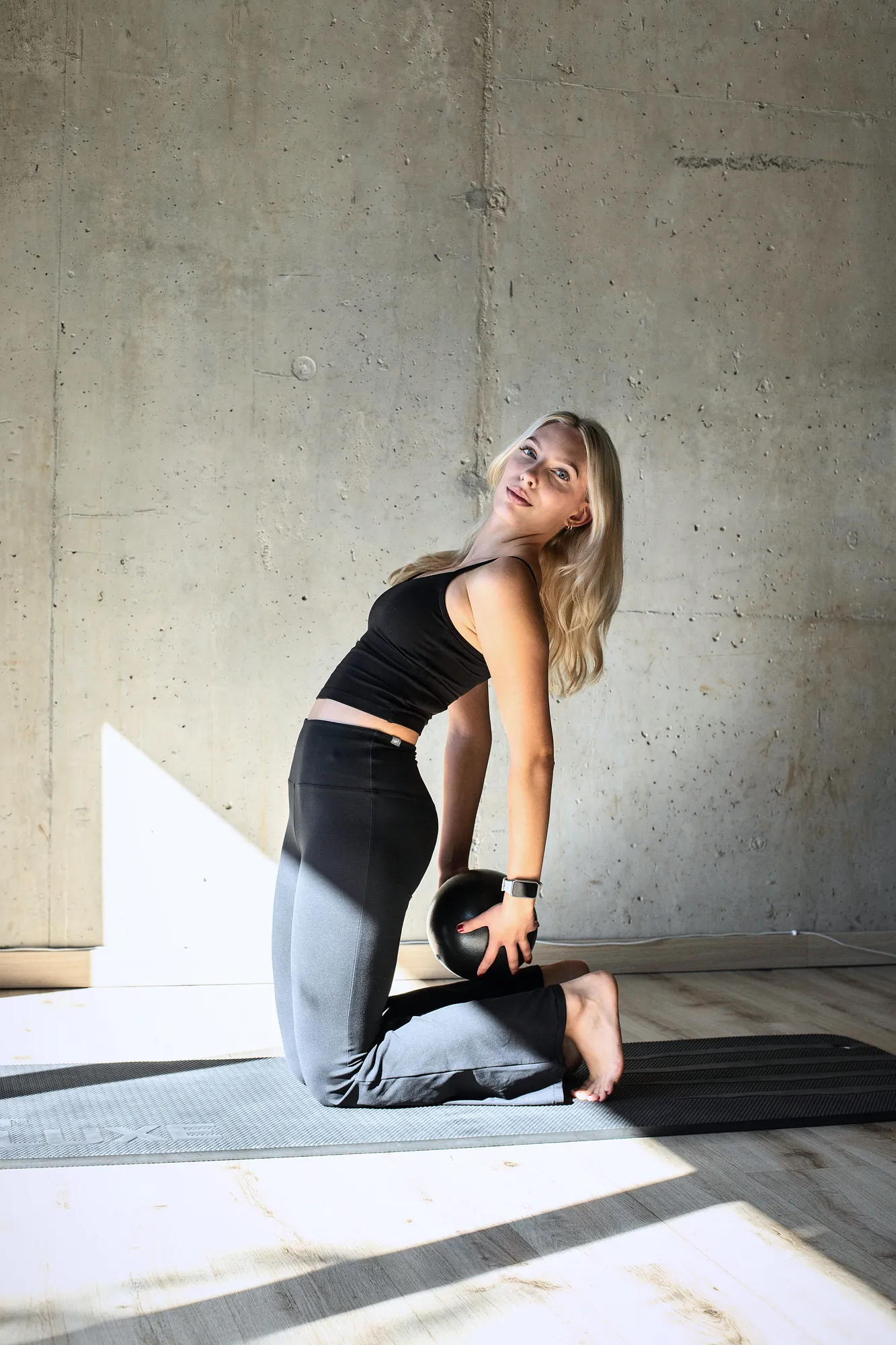
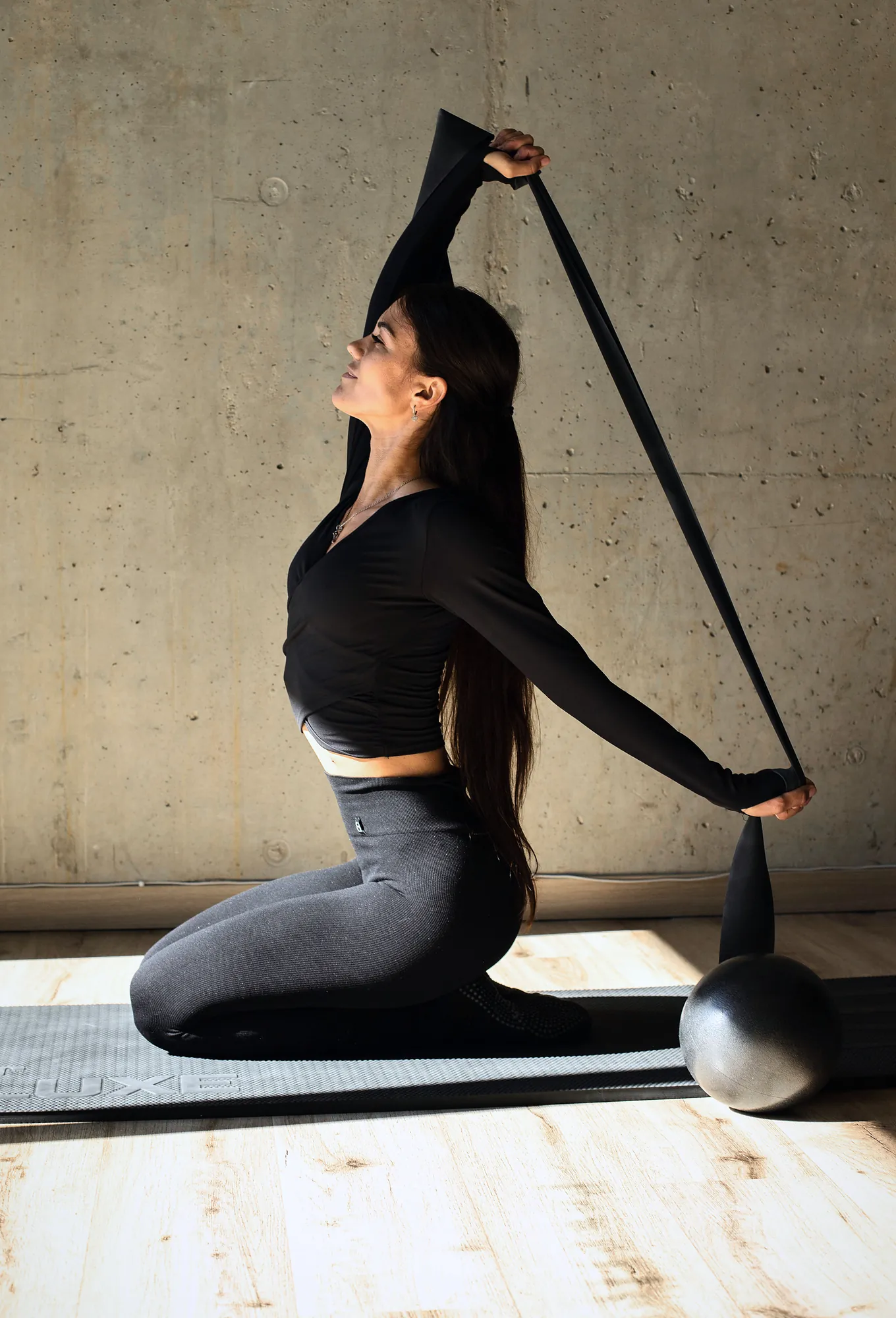
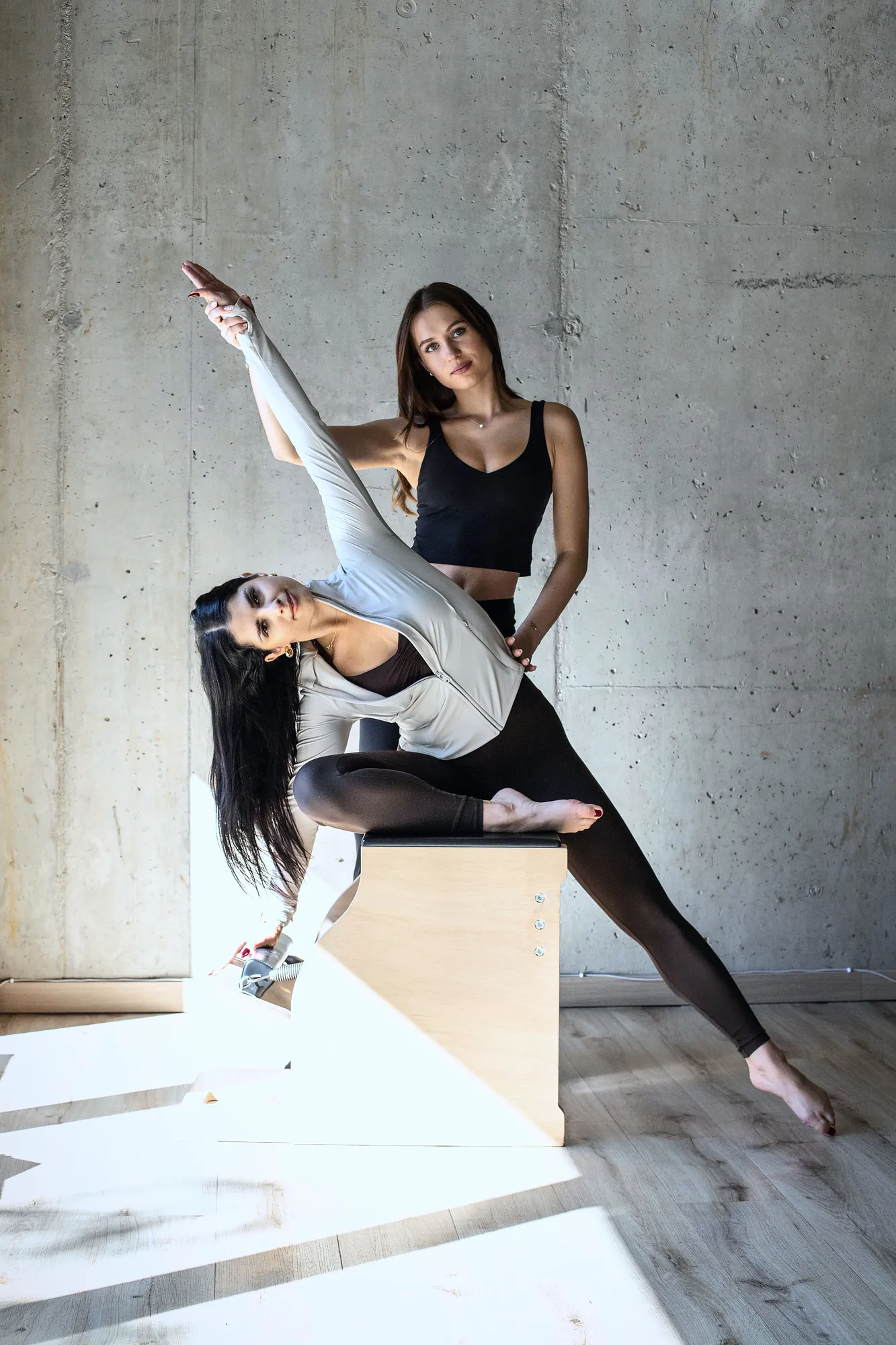
If you are thinking about taking up a new form of physical activity but are still looking for something that combines effectiveness, versatility and safety, Pilates may be exactly what you need. Known for its attention to detail, its focus on technique and its harmonious approach to body and mind, the method is an ideal choice for beginners and advanced practitioners alike. What is more, the first results of Pilates can be noticed after just a few weeks of regular practice. In this article, we show you what the process of strengthening the body with different Pilates apparatus looks like, and how Pilates changes not only your figure, but also your approach to your own health.
The first step: why try Pilates?
Pilates is more than exercise – it is a system that integrates body, mind and breath. Developed by Joseph Pilates, originally with rehabilitation in mind, it has become a method accessible to everyone, regardless of age, fitness level or experience.
What makes Pilates unique?
- A balance of strength and flexibility: Pilates strengthens the muscles while lengthening them at the same time. It is an ideal method for a harmonious, balanced physique.
- Safety: The exercises are gentle on the joints and tailored to individual abilities.
- Support for everyone: Pilates helps both those who are just beginning their journey with movement and professional athletes looking for a way to complement their training.
The first results: what can you expect?
Joseph Pilates promised that "in 10 sessions you will feel the difference, in 20 you will see the difference, and in 30 you will have a whole new body". What changes can you notice at the beginning?
- Better posture: After just a few sessions, you will feel that you walk taller and that your body feels lighter.
- Greater body awareness: Pilates teaches you to control your movements and perform exercises with precision. This translates into a better understanding of your own abilities and limitations.
- A stronger core: The centre of the body – the core – begins to strengthen almost immediately. This means less back pain and greater stability in everyday activities.
- Releasing tension: Pilates exercises help to relax the muscles, especially those that are overly tense, such as in the neck or lower back.
The process of shaping your body with Pilates
Pilates is a journey, not a race. Shaping your body with this method is based on consistency and gradually increasing the level of difficulty. What does this process look like?
1. The beginning: Mat exercises
The foundation of Pilates is working with your own body. Mat exercises teach the basic principles: breath, concentration, precision and control of movement. At this stage:
- You learn fundamental sequences such as the Hundred and the Roll-Up, which strengthen the abdominal muscles and stretch the back.
- You develop body awareness and learn correct posture.
- You discover that even simple movements can be challenging when performed with full control.
2. Introducing the apparatus
Once you have mastered the basics on the Mat, it is time to work with the apparatus. Pilates equipment such as the Reformer, Cadillac, Wunda Chair and Spine Corrector helps to add variety to your training and tailor it to your individual needs.
- Reformer: The best-known piece of Pilates apparatus, which allows for precise muscle strengthening combined with stretching. Thanks to the adjustable spring resistance, exercises can be either gentle or highly demanding.
- Cadillac: A versatile piece of apparatus for rehabilitation and advanced training, which supports improved flexibility and mobility.
- Wunda Chair: Ideal for working on leg strength, balance and stability.
- Spine Corrector: Helps to correct posture and release tension in the spine.
Each of these pieces of apparatus offers a wide variety of exercises that strengthen the body in a harmonious, balanced way.
3. Progress and advanced results
Regular Pilates practice brings long-term results:
- An athletic figure: Muscles become long, lean and clearly defined, without excessive bulk.
- Fewer injuries: Stronger deep muscles and better stabilisation of the body reduce the risk of injury.
- Greater flexibility: Movements become more fluid, and the range of motion in the joints increases noticeably.
- Better performance in other sports: A stronger core and better breath control support running, cycling, swimming and strength sports.
How does Pilates differ from other forms of activity?
Pilates is neither a typical strength workout nor an aerobic one – it is a combination of precision, control and awareness of movement. Unlike many other forms of exercise, Pilates does not focus on the number of repetitions or the amount of weight, but on the quality of each movement.
- Working the deep muscles: Pilates strengthens the muscles that are often overlooked in traditional strength training.
- An individual approach: Thanks to the variety of apparatus and the ability to adapt the exercises, Pilates can be practised by anyone – regardless of age or fitness level.
- The mind–body connection: The focus on breath and precision of movement makes Pilates relaxing and helps to reduce stress.
What does a Pilates session look like?
A typical Pilates session lasts around 50–60 minutes and may include exercises on the Mat, the Reformer and other apparatus. Each session begins with a warm-up that helps you become aware of your body's position and prepares the muscles for work. This is followed by strengthening, stretching and stabilising exercises, often using spring resistance or your own body weight.
The benefits of regular Pilates practice
- A healthy spine: Pilates supports correct body alignment and strengthens the muscles that stabilise the spine.
- Improved fitness: With Pilates, you gain more energy and better stamina.
- Better posture: Regular practice eliminates habits such as slouching or overloading one side of the body.
- Harmony in the body: Pilates balances strength and flexibility, making the body more harmonious and well balanced.
Pilates as a way of life
Pilates is more than exercise – it is an investment in your health, in awareness of your own body and in a better quality of life. You will notice the first results after just a few sessions, but the real magic happens in the long term – when you feel your body becoming stronger, lighter and more aware, and movement starts to bring you real joy.