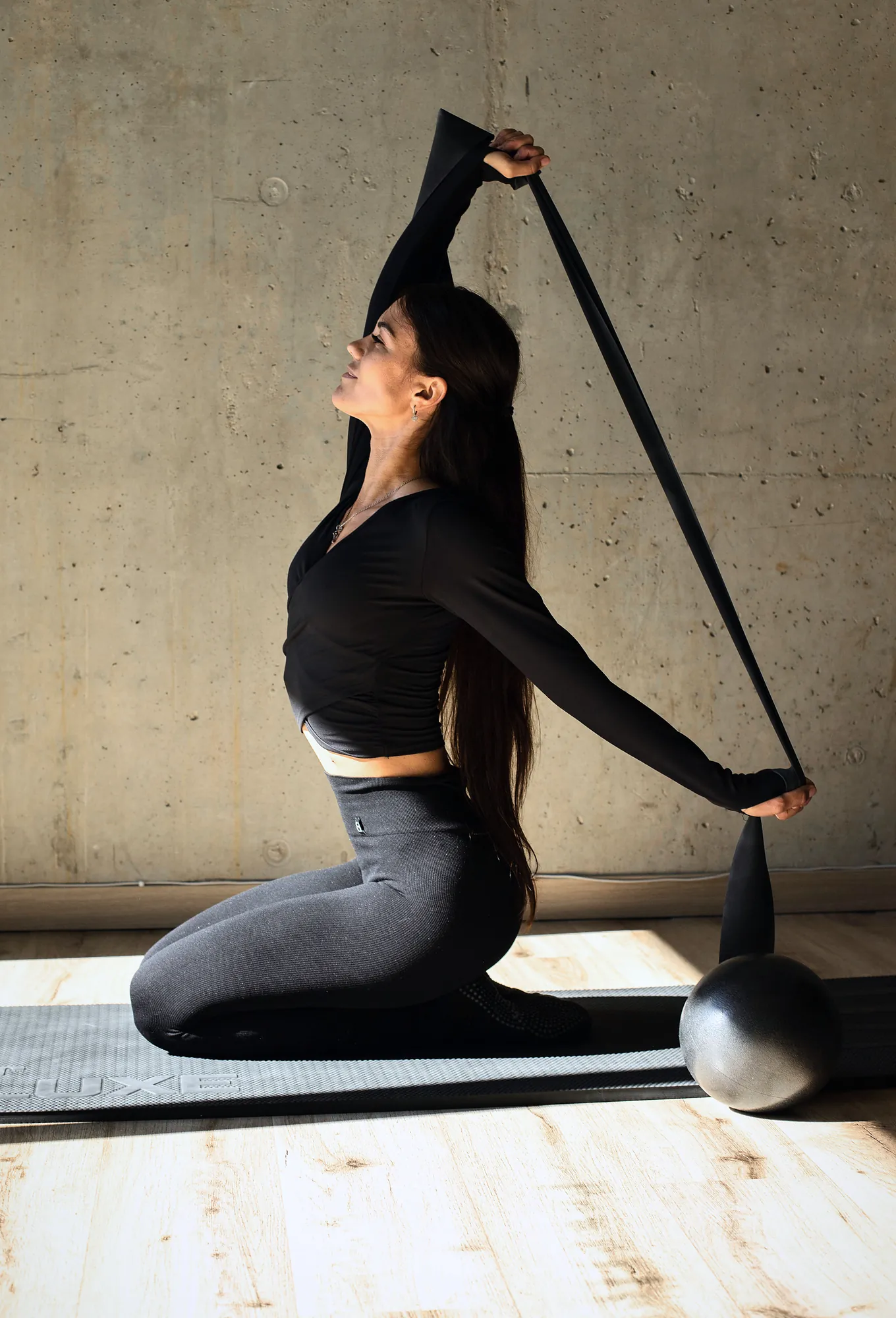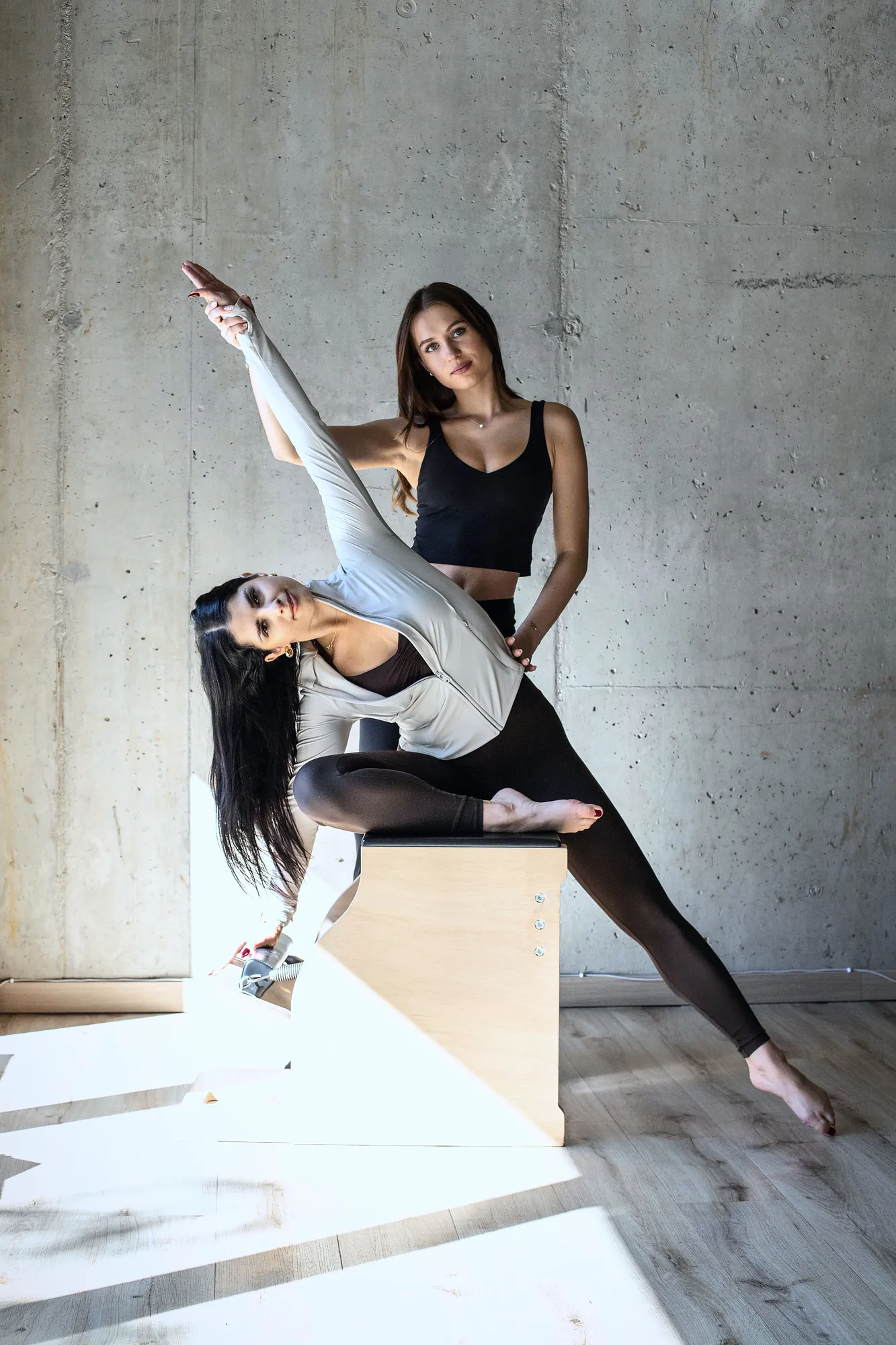

Pilates is a unique form of physical activity that combines elements of strength training, stretching and breath control. Although it is often associated mainly with women, more and more men, including professional athletes and Olympians, are enjoying its benefits. In this article, we answer the most frequently asked questions about Pilates, from its effect on your figure and what to wear, to training formats.
Pilates is an excellent training method for anyone who wants to improve the shape of their body in a balanced way, without putting excessive strain on the joints. Unlike many other forms of activity, Pilates does not focus on isolating a single muscle group; instead, it works holistically, engaging the whole body. As a result, the effects show not only in how you look, but also in your overall well-being, body awareness and physical fitness.
One of the most distinctive effects of Pilates is the strengthening of the deep abdominal muscles, known as the core. Exercises such as the Hundred and the Roll-Up require activation of both the superficial rectus abdominis and the deep transverse abdominis, which acts as a natural corset for the body. Regular work on this area:
Equipment such as the Reformer enhances these exercises with the added resistance of springs, making it possible to strengthen the abdominal muscles even more effectively. For example, Leg Circles on the Reformer teaches pelvic control and core activation while the legs are moving, supporting the development of stability and strength.
Pilates places great emphasis on correct alignment and muscular balance. Exercises such as the Swan Dive and work on the Cadillac help to strengthen the spinal extensors and the muscles between the shoulder blades. This translates into:
The Spine Corrector, one of the classical pieces of Pilates apparatus, is remarkably effective for exercises that improve spinal mobility. For example, the Mermaid Stretch on the Spine Corrector allows you to safely stretch the sides of the torso, releasing tension and supporting the natural curves of the spine.
Pilates helps to build strength and endurance in the legs while giving them a lean look. Exercises such as Leg Circles and the Side Kick Series strengthen the thighs and glutes while increasing their flexibility. Work on the Wunda Chair also lets you precisely sculpt the quadriceps and hamstrings. For example, Step-Ups on this apparatus engage both the leg muscles and the stabilising muscles of the core.
What sets Pilates apart is the way it balances strength with flexibility. This means the leg muscles not only become stronger, but also more resilient and less prone to injury. In addition, regular practice can help reduce cellulite, improving the appearance of the skin.
Many Pilates exercises focus on the glutes, which are key to stabilising the whole body. Mat exercises such as the Bridge and Side-Lying Leg Lifts are excellent for toning this area. The Reformer, however, allows for even more precise work: Feet in Straps activates the glutes during controlled leg movements.
Regular Pilates practice combined with work on the apparatus helps to shape the glutes naturally, while also strengthening the lower back and hips.
Pilates also strengthens the upper body, paying particular attention to the arms and shoulder girdle. Exercises such as the Plank and work with the handles on the Reformer strengthen the triceps, helping to tone the backs of the upper arms. The Cadillac offers many exercises, such as Arm Circles, that build strength and flexibility in the arms while improving shoulder stability.
By strengthening the arms and upper back evenly, Pilates prevents overload and supports balanced muscle development.
The key to the success of Pilates is the variety of apparatus, which allows for a well-rounded approach to training. Each piece of equipment supports the body’s development in a different way, so exercises can be tailored to individual needs.
Each of these pieces of apparatus works within the system developed by Joseph Pilates, in which one complements another. A Reformer session can be enriched with stretching exercises on the Spine Corrector, and intensive work on the Wunda Chair can be balanced with a relaxing session on the Cadillac.
Regular Pilates training on a multi-apparatus system not only sculpts the body but also improves overall fitness and quality of life. Combining different pieces of equipment allows for well-rounded development while removing the routine that so often saps motivation in traditional training.
Pilates engages the body harmoniously: every muscle group works in balance, leading to a lean, well-proportioned physique. The multi-apparatus system also makes it possible to tailor training precisely to each person’s needs and level, which makes Pilates an ideal choice for anyone who wants to look after their body and health.
For Pilates you need comfortable clothing that does not restrict your movement. Most people choose close-fitting leggings and a fitted top or T-shirt. Loose clothing can get in the way and make it harder for the instructor to check that you are performing the exercises correctly.
If you are training on the Mat, you do not need any footwear: Pilates is done barefoot or in special non-slip socks. For Reformer classes (on this special piece of apparatus), socks with silicone grips are essential.
The choice between personal training and group classes depends on your needs and preferences:
If you are just starting out, you might consider a few one-to-one sessions to learn the basics, and then move on to group classes.
This is one of the most common myths. Joseph Pilates, the creator of the method, was a man, and his training was originally aimed at soldiers and athletes. Today, Pilates is gaining popularity among men all over the world, including professional athletes and Olympians.
Well-known advocates of Pilates include:
Men value Pilates for its comprehensive approach and its ability to improve sporting performance.
Pilates is a versatile form of training that strengthens the body, improves your figure and reduces stress. It is suitable for people of all ages and levels, from beginners to professional athletes. Thanks to its versatility, Pilates can be tailored to individual needs, making it an excellent choice for women and men alike.
Start today and discover how much regular Pilates practice can change your life!